Most devices can be tested within 30–60 minutes, depending on site access and setup.
Yes, but only for a short time—usually a few minutes while the device is checked.
Yes, we can send reminders so you never miss your yearly council deadline.
Commercial, industrial, medical, hospitality, and multi-unit properties are all commonly required to have devices installed.
We follow strict safety protocols, including PPE use, site risk checks, and council testing standards.
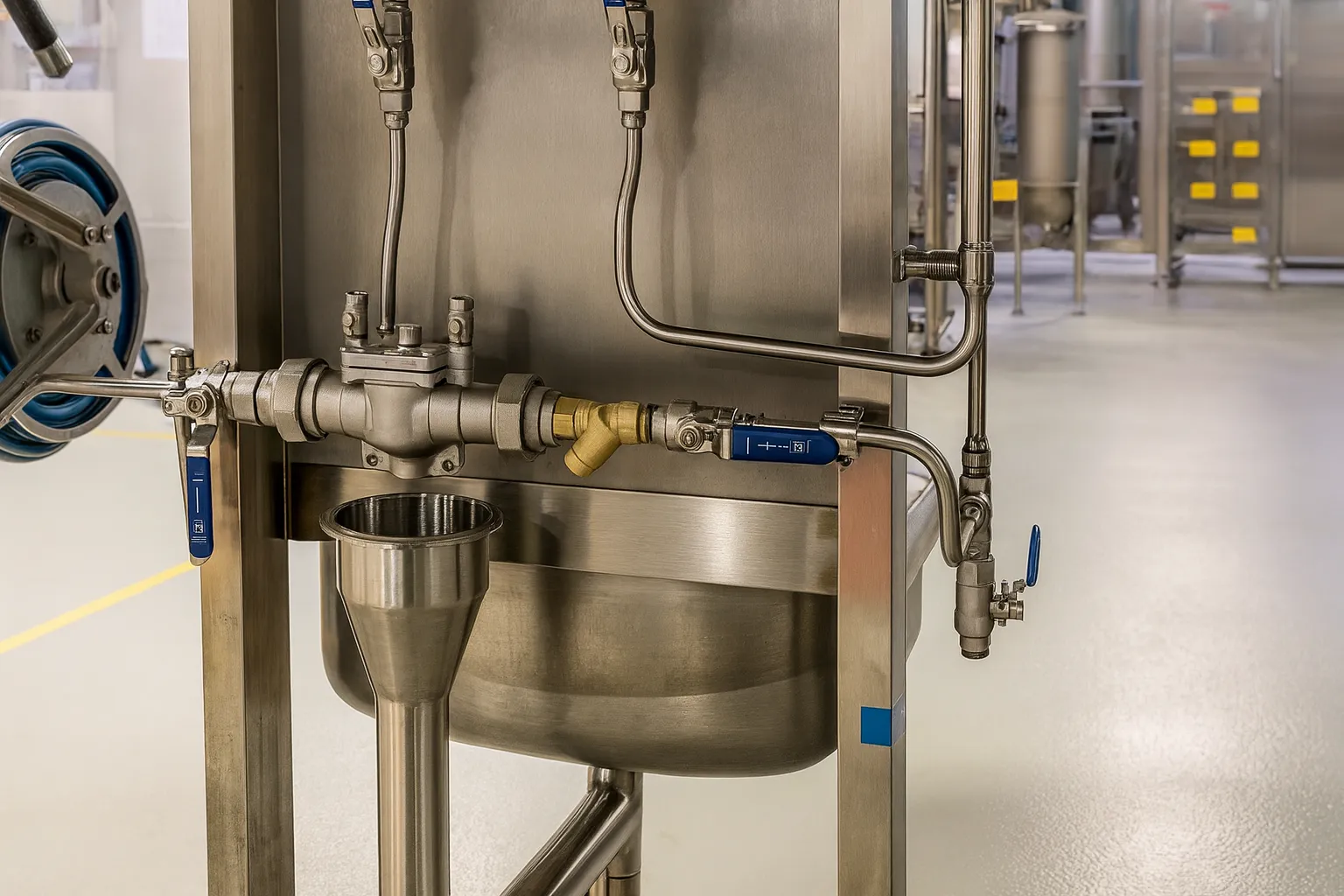
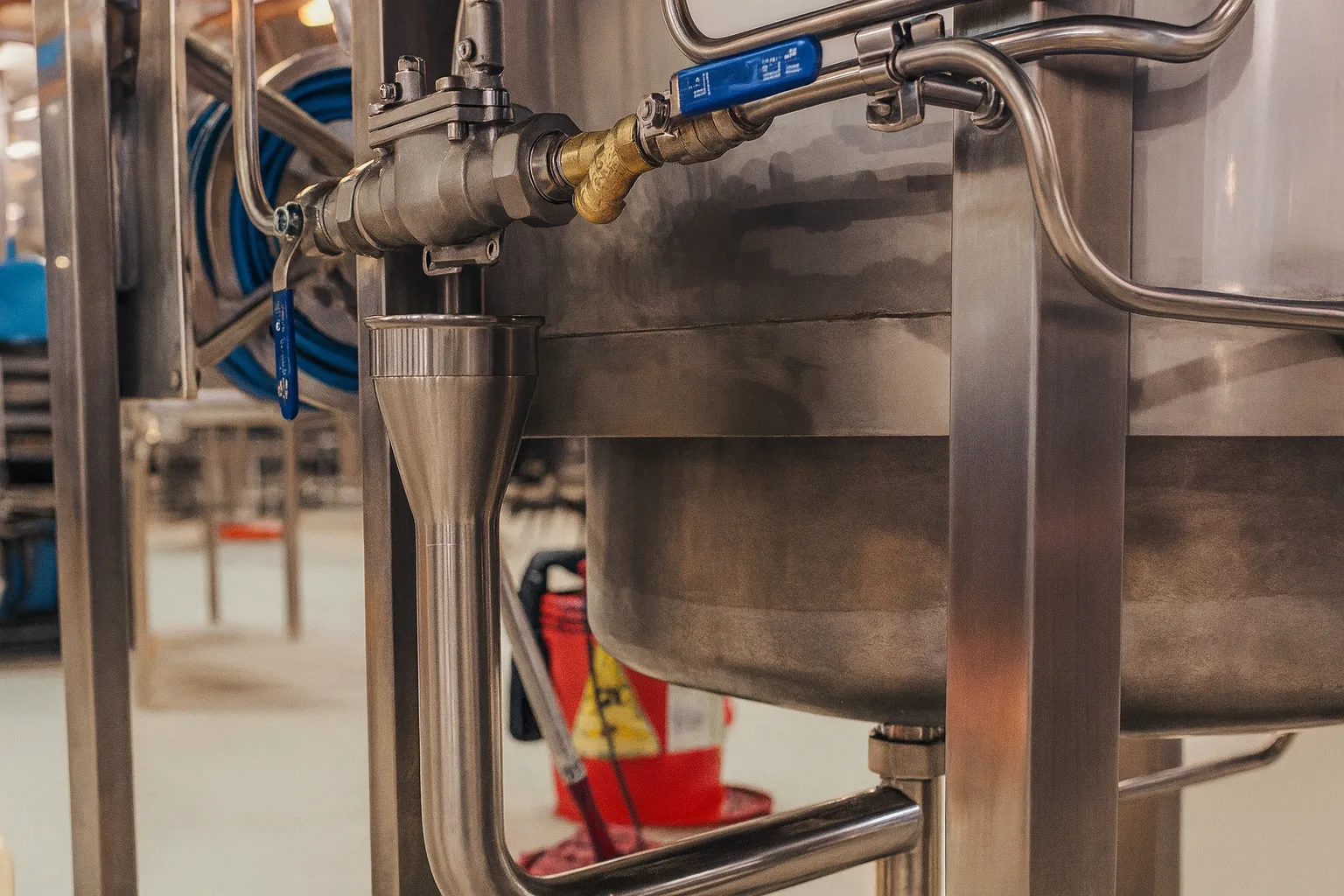
Backflow prevention is a plumbing safety mechanism that stops contaminated water from flowing backwards into the clean drinking water supply. In Brisbane, backflow can occur when water pressure drops suddenly — such as during firefighting or main breaks — causing water from commercial equipment, irrigation, or industrial processes to syphon into the potable water network. Brisbane City Council requires registered backflow prevention devices on all commercial properties and high-risk residential connections to protect public health.
In Brisbane, backflow prevention devices must be installed and annually tested at: all commercial and industrial premises, properties with irrigation systems connected to the mains, buildings with fire sprinkler systems, medical and healthcare facilities, carwashes, food processing plants, and any property with a potential cross-connection risk. Brisbane City Council maintains a register of all backflow devices and requires annual testing certificates from accredited testers. Residential properties without risk factors are generally exempt.
Backflow prevention devices in Brisbane must be tested annually by a licensed and accredited backflow tester. Brisbane City Council sends compliance notices to registered device owners each year. After testing, results must be submitted to Council within 14 days. If a device fails testing, it must be repaired or replaced immediately and retested before the compliance notice deadline.
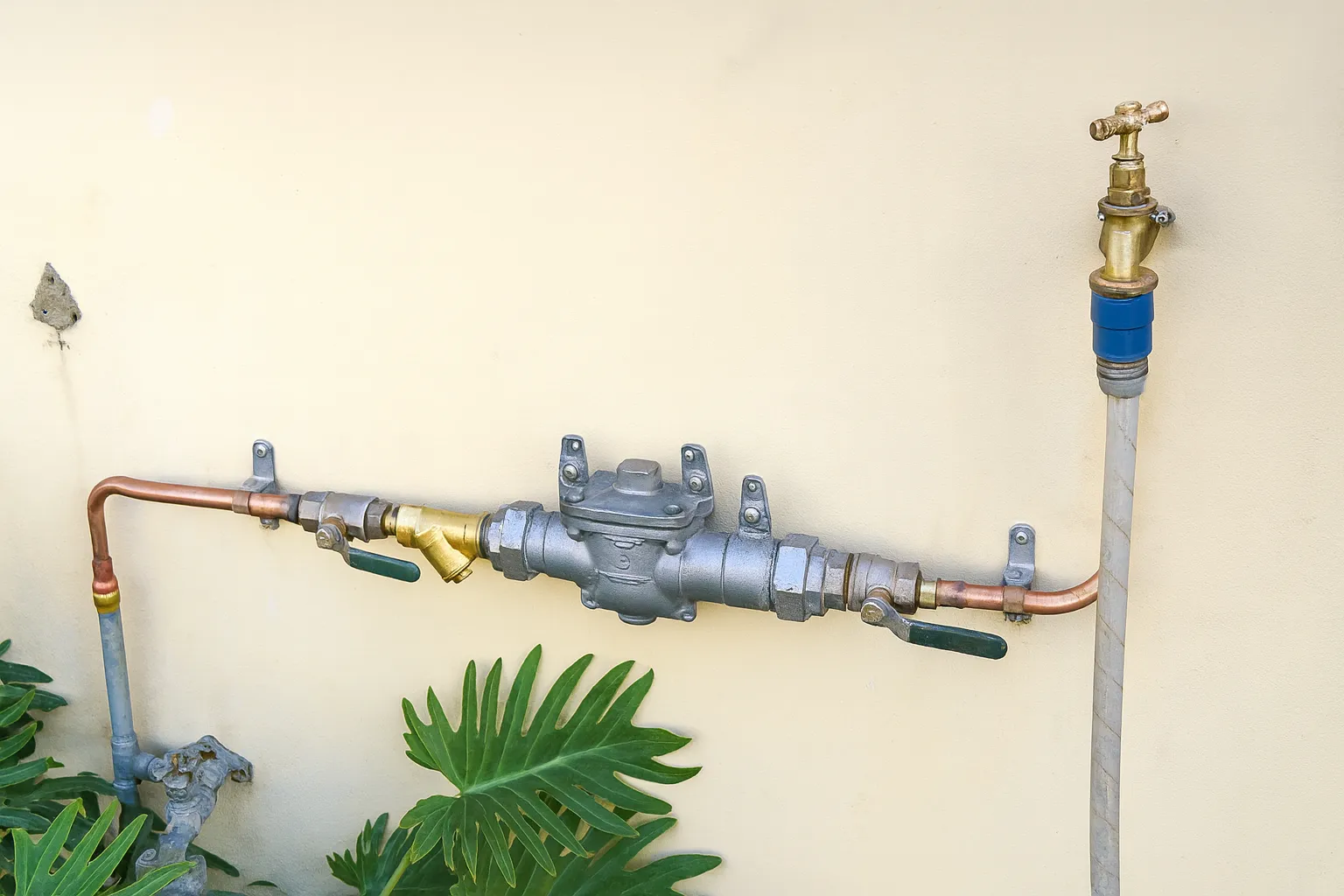
A check valve is a basic one-way valve that prevents water from flowing backwards but is not approved as a testable backflow prevention device. A backflow preventer (Reduced Pressure Zone device or RPZ valve) is a certified, testable assembly that includes multiple check valves, a relief valve, and monitoring ports — designed to fail safe and meet Australian Standard AS 3500. Brisbane Council only accepts approved backflow prevention devices on its register, not basic check valves.
Backflow prevention device installation in Brisbane typically costs between $400 and $1,500 depending on the device type and location. A simple double check valve (DCV) for low-risk applications costs $400–$700 installed. A Reduced Pressure Zone (RPZ) valve for medium to high-risk commercial applications costs $800–$1,500 installed. Annual testing fees typically range from $150 to $350. Accredited Brisbane plumbers can advise on the correct device class for your property.
If your backflow prevention device fails annual testing in Brisbane, the accredited tester must immediately notify Brisbane City Council. You are required to have the device repaired or replaced by a licensed plumber within the timeframe on the compliance notice — typically 30 days. The repaired or new device must be retested and a new certificate submitted to Council. Failure to comply can result in Council issuing a penalty notice or requiring a water supply disconnection.
Yes. Backflow prevention testing in Brisbane must be performed by a plumber who holds both a current QBCC licence and a specific backflow prevention accreditation. Not all licensed plumbers have this accreditation. When hiring, always ask for their QBCC licence number and confirm they are accredited for backflow testing. Laing's Plumbing holds the required accreditation to test, certify, and submit backflow results directly to Brisbane City Council.
Backflow prevention is not required for most standard residential homes in Brisbane. It is mandatory for properties with: mains-connected irrigation or garden watering systems with chemical injectors, swimming pools connected to mains water top-up, homes with non-drinking water sources connected to mains plumbing, or any residential property with a cross-connection risk. A licensed Brisbane plumber can assess your property and advise whether a device is required under Brisbane City Council bylaws.